
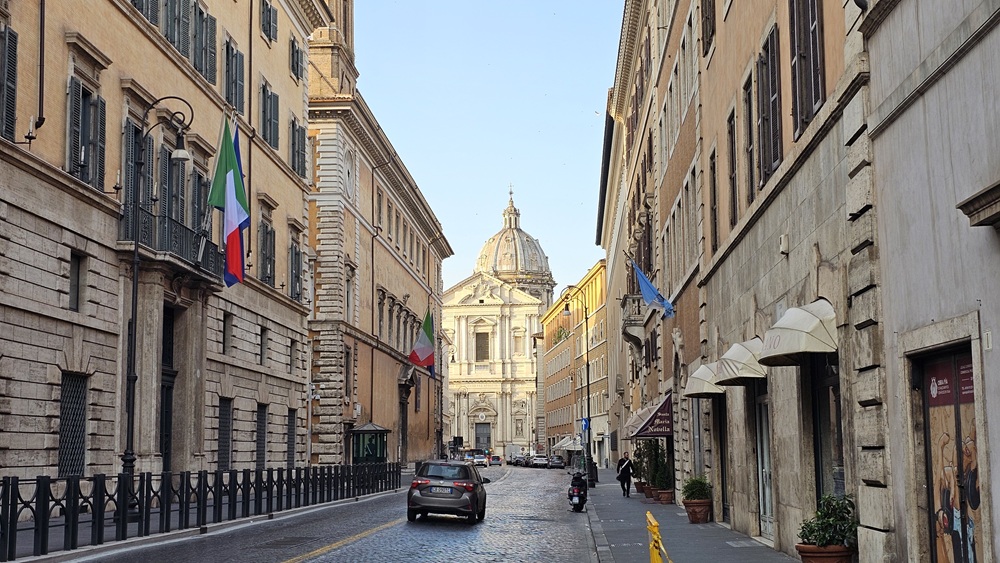
Explore the Legacy of St. Peter’s Basilica: The Ultimate Tourist Guide to Vatican City’s Crown Jewel St. Peter’s Basilica, located in the heart of Vatican City in Rome, Italy, is one of the most iconic religious landmarks in the world. As a masterpiece of Renaissance architecture and a centerpiece of the Catholic Church, it’s a must-visit destination for anyone interested in history, art, architecture, and spirituality. With over 400 years of rich heritage, St. Peter’s Basilica offers visitors a deep dive into centuries of religious and cultural significance. Why Visit St. Peter’s Basilica? Planning a trip to Rome? No visit is complete without exploring St. Peter’s Basilica. In this comprehensive travel guide, you’ll discover fascinating historical facts, essential travel tips, and must-see highlights to make the most of your visit to one of the most revered basilicas in the world. A Brief History of St. Peter’s Basilica The origins of St. Peter’s Basilica trace back to the 4th century when the first church was built over the burial site of Saint Peter—the first pope and founder of the Catholic Church. The present-day basilica, constructed during the 16th century under Pope Julius II, replaced the original structure and became one of the grandest architectural achievements of its time. Renowned artists and architects contributed to the basilica’s magnificent design: Michelangelo, one of the greatest Renaissance artists, designed the iconic dome and created the famous Pietà sculpture housed within the basilica. Gian Lorenzo Bernini, a leading Baroque artist, contributed several interior masterpieces, including the Baldachin (bronze canopy over the main altar) and the Chair of St. Peter. Throughout history, the basilica has hosted numerous significant religious ceremonies, papal events, and funerals. It’s also home to some of the world’s most treasured religious art. What to See Inside St. Peter’s Basilica St. Peter’s Basilica is more than just a church—it’s a monumental museum and place of worship. Here are the key highlights every visitor should explore: 1. The Dome Climb to the top of Michelangelo’s dome for a panoramic view of Rome and Vatican City. Though the ascent involves over 300 steps, the breathtaking vista is well worth the effort. 2. The Pietà by Michelangelo Located in the Pietà Chapel, this sculpture of Mary cradling Jesus is one of Michelangelo’s most moving works and a must-see masterpiece. 3. The Baldachin and Altar Bernini’s bronze Baldachin towers above the high altar and directly above the tomb of Saint Peter. This sacred site holds immense religious importance for Catholics around the world. 4. Tombs of the Popes and Saint Peter Beneath the basilica lies the Vatican Grottoes, where several popes are buried, including the remains believed to be those of Saint Peter himself. Practical Travel Tips for Visiting St. Peter’s Basilica To make your visit smooth and enjoyable, keep these travel tips in mind: Dress Modestly: St. Peter’s Basilica is a religious site, and visitors must follow a strict dress code—no shorts, miniskirts, or sleeveless tops. Shoulders and knees must be covered. Arrive Early: To avoid large crowds, especially during peak tourist season, arrive early in the morning. Book a Guided Tour: A guided tour provides valuable insights into the basilica’s art, architecture, and history. Book online in advance or at the entrance. Climb the Dome: Don’t miss the chance to climb to the dome’s summit. While the steps are steep, the 360-degree view of Rome is unforgettable. Visit the Vatican Museums: Located nearby, the Vatican Museums house the Sistine Chapel and an extensive collection of art. Combine both visits for a full Vatican experience. Bring Water and Snacks: Food and drinks are not sold inside the basilica, so carry your own (though eating inside is not allowed). Be Respectful: This is an active place of worship. Keep your phone on silent, speak quietly, and be mindful of worshippers and fellow tourists. Check for Closures: Before your visit, check the official Vatican website for any closures due to religious events or special ceremonies. Final Thoughts St. Peter’s Basilica isn’t just a tourist attraction—it’s a spiritual and cultural experience that leaves a lasting impression. Whether you’re drawn by faith, art, or architecture, this guide will help you explore the basilica’s most captivating features and prepare for an unforgettable journey to the heart of Vatican City. Keywords optimized: St. Peter’s Basilica Vatican City travel guide visiting St. Peter’s Basilica things to see in St. Peter’s Basilica history of St. Peter’s Basilica top attractions in Vatican City St. Peter’s Basilica dome Vatican tour tips Let me know if you’d like this version formatted for a blog, with SEO metadata like title tags, meta description, or structured headings.
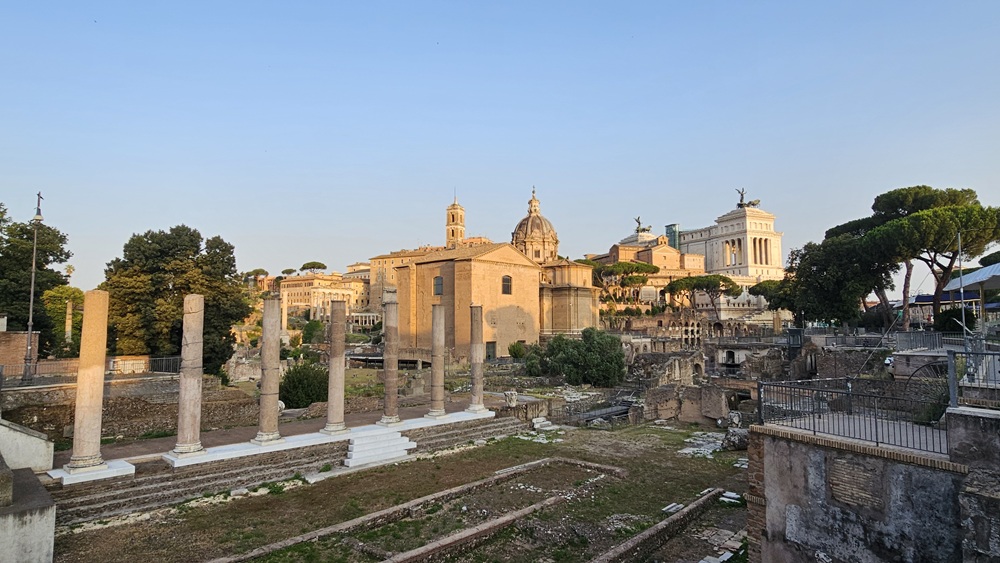
The Ultimate Guide to Securing Vatican and Sistine Chapel Tickets: Tips, Tricks and Official Websites
Explore Hidden Gems in Rome: A Local’s Guide to Secret Spots & Off-the-Beaten-Path Attractions When visiting Rome, you’ll quickly discover it’s more than just the Colosseum and Vatican City. This iconic destination is overflowing with ancient treasures, vibrant culture, and world-famous cuisine. But for first-time visitors, Rome’s endless list of must-see attractions can feel overwhelming. That’s where a well-curated Rome travel guide or an expert Roman tour guide becomes invaluable. In this insider’s guide, we’ll uncover Rome’s hidden gems—unique attractions that are often missed by the average tourist but deeply loved by locals and savvy travelers alike. 1. Quartiere Coppedè: Rome’s Enchanting Fairytale District Nestled in the Trieste district, Quartiere Coppedè is one of Rome’s most architecturally eclectic neighborhoods. This whimsical area combines Art Nouveau, Baroque, and Medieval styles into a surreal urban landscape. Don’t miss the Fontana delle Rane (Fountain of the Frogs), a small but captivating fountain adorned with bronze frogs and rich in artistic detail. 2. Protestant Cemetery: A Peaceful Historical Landmark Located in the Testaccio district, the Non-Catholic Cemetery of Rome (Protestant Cemetery) is a serene escape from the city’s hustle. This tranquil burial ground is the final resting place of literary giants John Keats and Percy Bysshe Shelley. With its lush gardens and views of the Pyramid of Cestius, it’s a hidden treasure for history and poetry lovers. 3. Tor Marancia: Rome’s Open-Air Street Art Museum Art enthusiasts shouldn’t miss Tor Marancia, a once-overlooked neighborhood transformed into a massive street art gallery. With towering murals by international and local artists, this area offers a colorful and unexpected look at contemporary Roman creativity. 4. Palazzo Doria Pamphilj: A Royal Art Collection Near the Pantheon Steps away from the bustling Pantheon lies Palazzo Doria Pamphilj, a lesser-known palace filled with Renaissance masterpieces. Home to works by Caravaggio, Titian, and Raphael, this private collection rivals those of Rome’s top museums. The palace’s rooftop terrace also offers panoramic views of the Eternal City. 5. Eataly Rooftop Restaurant: Dining with a View Food lovers should head to the Eataly Rooftop Restaurant, where classic Italian dishes meet stunning skyline views. Located atop the famous Eataly food market, this restaurant uses locally sourced ingredients to serve up authentic Roman flavors in an unforgettable setting. Final Thoughts: Discover Rome Beyond the Guidebook Rome is a city full of hidden treasures, waiting to be explored. While landmarks like the Colosseum, Trevi Fountain, and St. Peter’s Basilica draw the crowds, it’s the lesser-known spots that often leave the biggest impression. For a truly unforgettable visit, consider hiring a local Rome tourist guide who can introduce you to the city’s secret corners and stories that most travelers miss. Whether it’s your first visit or your fifth, these off-the-beaten-path attractions in Rome will give you a deeper, more personal connection to the Eternal City.

Roaming Through Rome: A Walking Tourist Guide
Discover Rome on Foot: The Ultimate Walking Tour Guide for Unforgettable Travel Planning your dream trip to Rome? Make the most of every moment in the Eternal City with “Roaming Through Rome: A Walking Tourist Guide” — the ultimate companion for travelers seeking a rich, immersive experience. Whether it’s your first visit or a return trip, this comprehensive Rome walking tour guide is your key to exploring the city’s iconic landmarks and hidden gems on foot. Why Choose Our Rome Travel Guide? “Roaming Through Rome” is more than just a guidebook—it’s your personal tour companion. Designed specifically for travelers who want to discover Rome at their own pace, our guide offers step-by-step walking routes, historical insights, and insider tips to help you uncover the city’s ancient secrets and vibrant culture. From world-renowned attractions like the Colosseum, Pantheon, and Roman Forum, to charming piazzas, scenic neighborhoods, and lesser-known sites like the Appian Way and Piazza Navona, this book brings Rome to life. What’s Inside: Curated walking itineraries that cover Rome’s top attractions and off-the-beaten-path spots Historical facts, cultural insights, and storytelling to enrich your journey Local tips on where to eat, when to visit, and how to get around Rome Recommendations on Rome’s best restaurants, authentic gelaterias, and scenic viewpoints Guidance on navigating Rome’s public transportation and avoiding tourist traps Ideal routes for one-day, two-day, and multi-day itineraries Experience Rome the Way It Was Meant to Be Seen Rome is best explored on foot, where every street corner tells a story and every cobblestone leads to a piece of history. Our guidebook allows you to truly connect with the city’s timeless charm, whether you’re exploring the grandeur of St. Peter’s Basilica, admiring Michelangelo’s masterpieces, or relaxing in a quiet Roman café. Perfect for solo travelers, couples, families, and history lovers, this guide is suitable for all ages and travel styles. It’s both educational and entertaining, blending practical travel advice with engaging narratives and stunning visuals. Make Your Trip to Rome Unforgettable Don’t waste time standing in lines or wandering without a plan. With “Roaming Through Rome: A Walking Tourist Guide”, you’ll have everything you need to craft the perfect itinerary and make the most of your time in Italy’s capital. Whether you’re planning your first trip or looking to explore deeper, this guidebook is your go-to resource for what to do in Rome, how to get around, and where to find Rome’s best views, food, and experiences. Start your journey today—grab your copy of “Roaming Through Rome” and turn your Roman holiday into a timeless adventure.
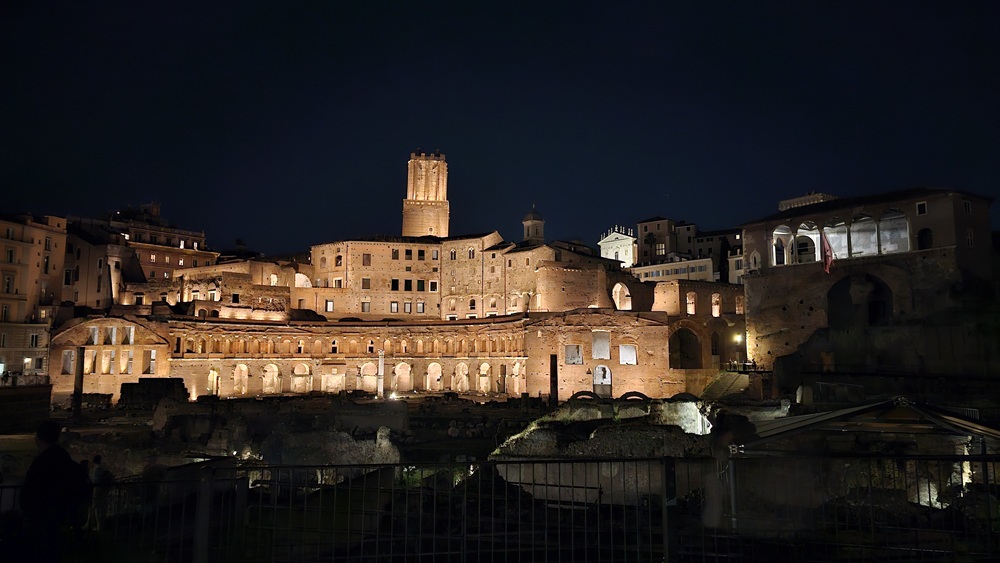
From the Vatican to the Colosseum: Easter in the Historic City of Rome
Celebrate Easter in Rome: A Journey Through Faith, History, and Tradition Easter in Rome offers a unique blend of religious events, rich history, and vibrant culture, making it one of the most unforgettable times to visit the Eternal City. With its stunning spring weather, traditional Easter foods, and world-renowned historical landmarks, Easter in Rome is a celebration that combines faith, culture, and art. Discover the Magic of Easter in Rome: A Perfect Blend of History, Culture, and Spirituality Rome, with its deep cultural and religious significance, becomes a vibrant hub of activity during the Easter season. From special religious masses to historic processions, and from iconic landmarks like the Colosseum and Vatican City to unique culinary traditions, there is something for every traveler during Easter in Rome. Top Tips for Visiting Rome During Easter: How to Beat the Crowds and Experience the Best of Rome Visiting Rome during Easter requires careful planning to avoid the large crowds and long lines that are common during this peak tourist season. To make the most of your experience, consider booking a guided tour of Rome, which can help you navigate through the bustling crowds and discover the city’s hidden gems while learning about its rich history and culture. Explore Iconic Attractions: Colosseum, Vatican Museums, and St. Peter’s Basilica Colosseum Tours: A trip to Rome wouldn’t be complete without visiting the Colosseum. During Easter, this iconic landmark attracts thousands of visitors, leading to long waits. To maximize your visit, book a skip-the-line Colosseum tour to bypass the crowds and explore the ancient ruins without delays. Vatican Museums & Sistine Chapel: Home to masterpieces like Michelangelo’s Sistine Chapel, the Vatican Museums are among the most popular destinations in Rome. The Easter season sees high foot traffic, so booking a Vatican Museum guided tour is the best way to avoid long waits and learn about the world’s greatest religious artworks. Early bookings ensure you won’t miss out on the Sistine Chapel and St. Peter’s Basilica, two must-see locations. St. Peter’s Basilica & Easter Mass: The Vatican and St. Peter’s Basilica are especially significant during Easter, with the Pope holding his Easter Mass for thousands of pilgrims. If you’re planning to attend the Mass, arrive early as it can get crowded. Alternatively, a St. Peter’s Basilica tour outside Mass times offers a more peaceful visit to this monumental religious site. Easter Traditions and Local Delicacies in Rome Beyond the religious sites, Easter in Rome also includes traditional Italian Easter dishes. From lamb and artichokes to pastiera (Easter cake), the city’s culinary delights are a treat for the senses. Be sure to indulge in local food traditions during your visit, and explore Rome’s vibrant Easter festivals, processions, and concerts that add color and life to the city’s historic streets. Explore Rome’s Hidden Gems Beyond the Main Attractions While the Colosseum, Vatican Museums, and St. Peter’s Basilica are famous, Easter in Rome offers visitors the chance to explore lesser-known sights like Piazza Navona, the Appian Way, and the Basilica di San Clemente. Discovering these hidden gems with a local guide enhances your experience and helps you delve deeper into the city’s religious and historical heritage. Plan Your Easter Trip to Rome: An Experience You’ll Never Forget With proper planning, Easter in Rome can be a magical experience filled with awe-inspiring moments, whether you’re marveling at art in the Vatican Museums, attending a grand procession, or savoring traditional Italian food. Book a guided tour of Rome today and ensure you skip the lines at top attractions like the Colosseum and Vatican Museum. Get ready to immerse yourself in the spiritual and cultural wonders of Rome during Easter!
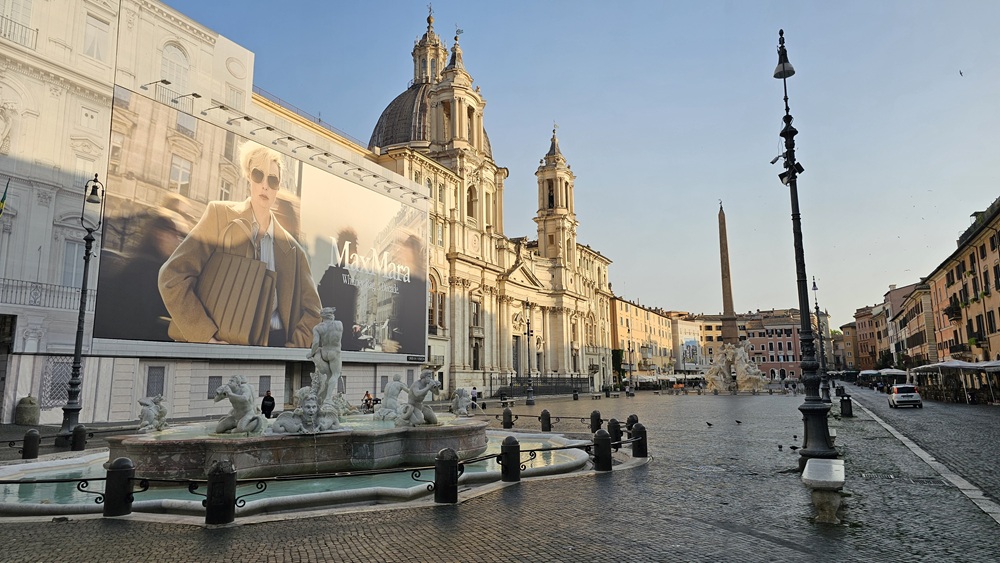
Exploring the Majesty of Saint Peter’s Basilica: A Guide to Visiting Rome’s Most Iconic Cathedral
Discover St. Peter’s Basilica and Vatican Museums: A Comprehensive Guide to Rome’s Most Iconic Landmarks St. Peter’s Basilica in Vatican City stands as a symbol of the Catholic Church’s power, grandeur, and spiritual significance. This architectural masterpiece, a shining example of Renaissance and Baroque architecture, attracts millions of visitors each year. As one of the largest and most important churches in the world, St. Peter’s Basilica is an absolute must-see on any trip to Rome. This guide will help you navigate its awe-inspiring features and plan the perfect visit, from securing tickets to exploring both the Basilica and the nearby Vatican Museums. Exploring the Wonders of St. Peter’s Basilica in Vatican City St. Peter’s Basilica is not only an architectural marvel but also a repository of world-renowned art and religious history. Key highlights include: Michelangelo’s Dome: A Renaissance Masterpiece The dome of St. Peter’s Basilica, designed by Michelangelo in the 16th century and completed by Giacomo della Porta, stands as one of the most recognizable features of the Basilica. At 136 meters tall and 42 meters wide, the dome offers panoramic views of Rome. Climbing the 551 steps to the top rewards visitors with breathtaking vistas of iconic landmarks like the Colosseum, the Roman Forum, and the Pantheon. Bernini’s Baldachin and Cathedra Petri: Baroque Art in Action Gian Lorenzo Bernini’s masterpieces, the Baldachin and the Cathedra Petri, are key examples of Baroque sculpture. The Baldachin, a bronze canopy above the high altar, is adorned with intricate carvings of cherubs, angels, and religious motifs. The Cathedra Petri, a throne surrounded by four statues of the evangelists, symbolizes the authority of the Pope. Michelangelo’s Pietà: A Touching Masterpiece Michelangelo’s Pietà, located in the Basilica, is one of his most famous sculptures, depicting the lifeless body of Christ on the lap of the Virgin Mary. The emotional depth and realistic form of the statue make it one of the most visited works of art in the world. The Last Judgment: Michelangelo’s Final Fresco The Basilica’s interior is also adorned with Michelangelo’s The Last Judgment fresco, an awe-inspiring depiction of the final judgment scene in Christian theology. The vibrant mosaics, marble floors, and golden decorations add to the magnificence of the space. Visiting the Vatican Museums: Explore the World’s Greatest Art Collection The Vatican Museums house some of the most famous works of art in the world. Highlights include: Michelangelo’s Creation of Adam: The Iconic Sistine Chapel Ceiling The Creation of Adam, painted by Michelangelo on the ceiling of the Sistine Chapel, is perhaps one of the most famous images in the history of Western art. The scene, depicting the moment when God gives life to Adam, is a must-see for visitors. Be sure to admire the detail and composition that make it a Renaissance masterpiece. Raphael’s Rooms: Murals by the Master The Raphael Rooms, four rooms in the Vatican Palace, showcase the frescoes painted by Raphael and his students. These murals, including The School of Athens and The Triumph of Galatea, depict ancient mythology and Church history. Gallery of Maps: Renaissance Cartography The Gallery of Maps features meticulously detailed maps created by Ignazio Danti in the 16th century. This incredible collection offers a detailed view of Italy and the world during the Renaissance, making it one of the finest examples of Renaissance cartography. Laocoön and His Sons: Ancient Sculpture The Laocoön and His Sons sculpture, housed in the Belvedere Courtyard, is one of the most famous pieces of ancient art. This dramatic representation of a Trojan priest and his sons being attacked by sea serpents has influenced many artists throughout history. Egyptian Museum: Discover Ancient Egypt’s Legacy The Egyptian Museum at the Vatican showcases a vast collection of ancient Egyptian artifacts, including sarcophagi, mummies, and statues. These treasures offer a fascinating glimpse into ancient Egyptian culture and beliefs. Pinacoteca: Renaissance Art at Its Best The Vatican Pinacoteca is home to an impressive collection of Renaissance paintings from masters like Raphael, Caravaggio, and Leonardo da Vinci. This museum holds some of the most significant works of art in the world, with a focus on Italian Renaissance masterpieces. Why St. Peter’s Basilica and the Vatican Museums Are Unmissable Both St. Peter’s Basilica and the Vatican Museums are essential stops for anyone visiting Rome. The Vatican, home to the Pope and a center of Catholicism, offers a rich combination of art, history, and religion. Whether you’re interested in Renaissance art, Baroque architecture, or the spiritual significance of these sites, these iconic landmarks will leave a lasting impression. How to Plan Your Visit to St. Peter’s Basilica and the Vatican Museums Skip-the-Line Tickets: Due to the high volume of visitors, it’s recommended to book skip-the-line tickets in advance to avoid long waits, especially during peak tourist seasons. Guided Tours: Consider booking a guided tour for a deeper understanding of the art, history, and significance of St. Peter’s Basilica and the Vatican Museums. Mass at St. Peter’s Basilica: If you wish to attend Mass at St. Peter’s Basilica, be sure to check the schedule in advance and arrive early to secure a spot.
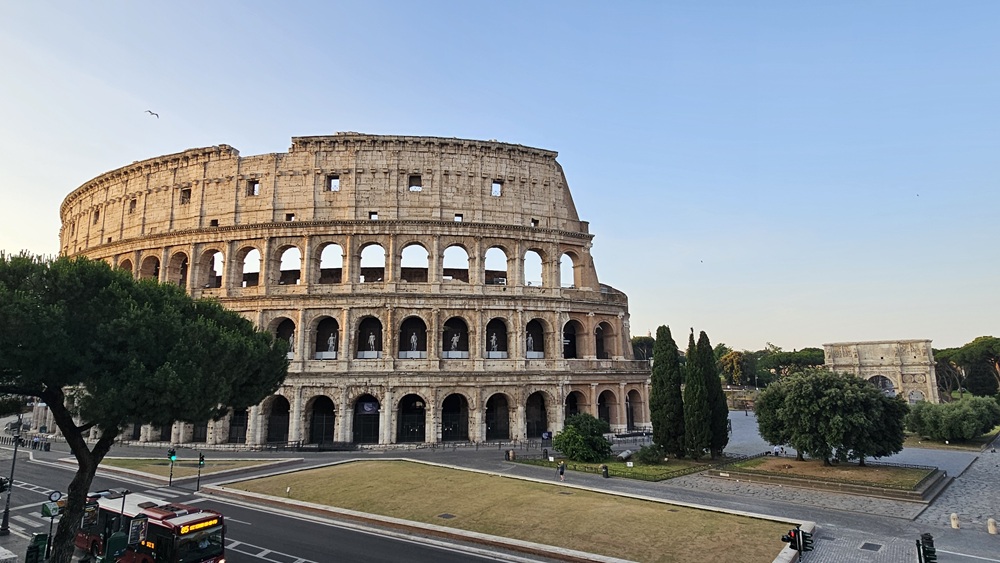
Complete Tourist’s Guide to Ancient Rome: Discovering the Eternal City
Essential Guide to Exploring Ancient Rome: Top Historical Sites & Why You Should Hire a Rome Tour Guide Are you planning a trip to Rome and interested in exploring its ancient history and rich culture? If so, hiring an experienced Rome tour guide is the best way to make the most of your visit to the Eternal City. A knowledgeable guide can enhance your experience and help you uncover the fascinating stories behind Rome’s iconic landmarks. In this guide, we’ll cover the top historical attractions in Rome and explain why a Rome city tour guide can transform your journey. The Colosseum: Rome’s Iconic Landmark The Colosseum is undoubtedly one of Rome’s most recognizable symbols and a must-see for every visitor. Here’s why: Historical Significance The Colosseum, built in AD 80, was once the venue for gladiatorial contests, animal hunts, and public spectacles. As you explore this ancient amphitheater, a tour guide in Rome will help bring to life the stories of gladiators and the fascinating engineering behind this colossal structure. Architectural Marvel The Colosseum’s advanced design features a retractable roof and an intricate underground network used to house animals and gladiators. These architectural feats demonstrate the engineering prowess of ancient Rome. Cultural Experience The Colosseum offers a unique glimpse into Roman society and entertainment. With a Rome guide, you’ll gain insight into the cultural importance of these spectacles and the legacy they left behind. Visit the Roman Forum A tour of the nearby Roman Forum allows you to walk through the heart of ancient Rome. With its temples, basilicas, and government buildings, the Forum offers a window into the social and political life of the Roman Empire. The Vatican Museums & St. Peter’s Basilica: Must-See Art and Architecture A visit to St. Peter’s Basilica and the Vatican Museums is essential for anyone interested in art, history, and religion. Here’s why: Artistic Masterpieces The Vatican Museums boast an unparalleled collection of Renaissance art, including works by Michelangelo, Raphael, and Leonardo da Vinci. A guided Vatican tour will allow you to fully appreciate the Sistine Chapel’s Creation of Adam fresco and other masterpieces. Historical Significance St. Peter’s Basilica is not only a marvel of architecture but also a holy site for Catholics worldwide. The Vatican Museums, founded by Pope Julius II in the 16th century, house the Catholic Church’s vast collection of art and religious relics. Architectural Marvels Michelangelo’s dome over St. Peter’s Basilica is one of the largest in the world, offering breathtaking views of Rome. The museum’s galleries are adorned with intricate frescoes, sculptures, and mosaics that demonstrate the grandeur of classical architecture. Cultural Experience Both the Vatican Museums and St. Peter’s Basilica provide visitors with a deep connection to Catholic history and traditions. A Vatican guide can explain the significance of key artworks and religious artifacts, enhancing your experience. The Pantheon: Rome’s Ancient Temple The Pantheon is another essential stop for anyone interested in Rome’s architectural and cultural history. Here’s why: Historical Significance Built by Emperor Hadrian in the 2nd century, the Pantheon was originally a temple to all Roman gods. Today, it serves as a Christian church, and its rich history makes it a must-see landmark in Rome. Architectural Feat The Pantheon’s dome is one of the largest unreinforced concrete domes in the world. Its oculus lets natural light illuminate the interior, creating a striking visual effect. The marble floors and statues inside are also a testament to ancient Roman craftsmanship. Cultural Experience The Pantheon is a remarkable example of ancient engineering and architectural brilliance. Visitors can learn about both Roman religion and Christianity, making it a unique cultural experience in Rome. The Trevi Fountain: Rome’s Iconic Water Feature No trip to Rome is complete without a visit to the Trevi Fountain. Here’s why: Historical Significance Built in the 18th century, the Trevi Fountain is one of Rome’s most iconic Baroque landmarks. It has become a symbol of Rome’s artistic and architectural achievements and is a popular spot for visitors to make a wish. Architectural Marvel The Trevi Fountain is renowned for its intricate carvings of Neptune, the Roman god of the sea, and his companions. The soothing sound of water cascading through the fountain adds to its mesmerizing beauty. Cultural Experience The Trevi Fountain is a must-see, surrounded by historic buildings and vibrant streets. It’s a prime example of how Roman art and modern culture intersect. Why Hire a Rome Tour Guide for Your Trip While exploring ancient Rome on your own is rewarding, a local tour guide offers many advantages: Expert Knowledge: A professional Rome tour guide can provide detailed insights into Rome’s history, art, and architecture, enriching your experience. Skip the Lines: With the help of a guide, you can often bypass long queues at popular attractions, saving valuable time. Personalized Tours: A guide can customize your tour to match your interests, whether you’re focused on ancient Roman history, art, or architecture. Cultural Insights: A local guide can offer unique perspectives on Rome’s traditions, helping you understand the cultural context of the city’s historic landmarks. Additional Tips for Visiting Ancient Rome Wear Comfortable Shoes: Rome’s ancient sites require a lot of walking. Comfortable footwear is essential for exploring the city’s historical landmarks. Stay Hydrated: Rome can be hot in the summer months, so bring a refillable water bottle to stay hydrated. Respect the Sites: The ancient ruins and monuments in Rome are priceless remnants of history. Treat them with the utmost respect during your visit. Conclusion: Make the Most of Your Rome Experience Whether you’re visiting the Colosseum, Pantheon, or Vatican Museums, Rome’s ancient history is waiting to be discovered. To truly appreciate the historical, architectural, and cultural significance of these iconic landmarks, hiring a local Rome tour guide is the best choice. With their expert knowledge, you’ll gain a deeper understanding of the Eternal City’s past and make the most of your time in Rome.